
Jun 29, 2026
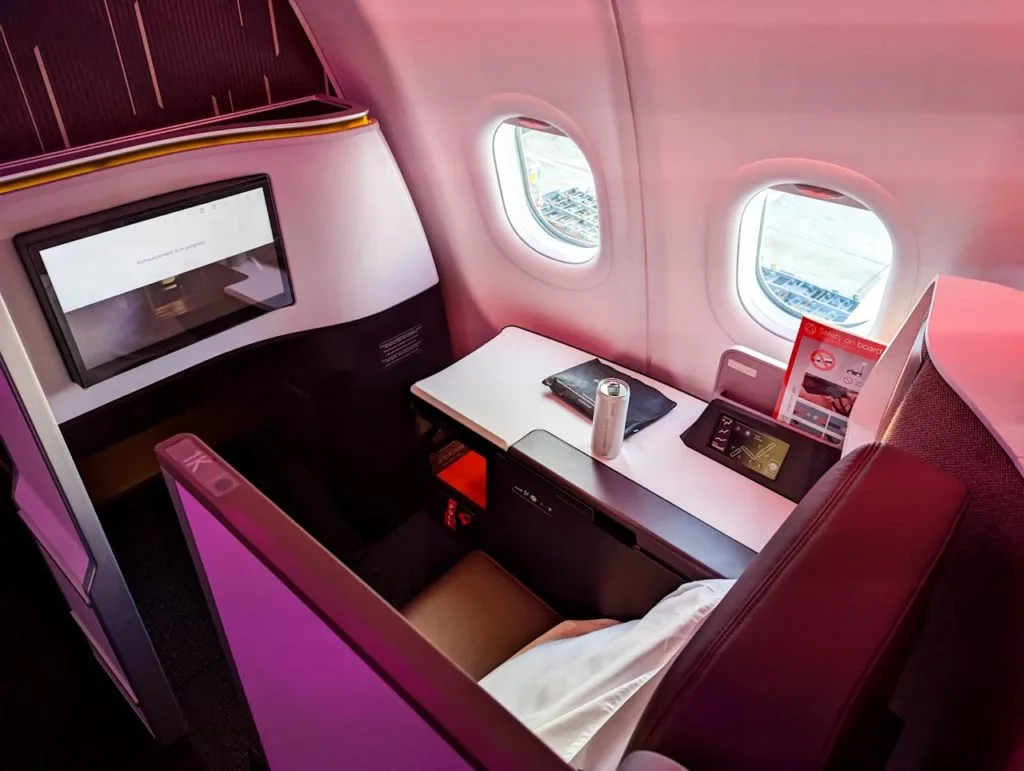
The dream of stretching out in a lie-flat seat, sipping champagne at 35,000 feet, and stepping off an extended-haul flight feeling actually rested shouldn't remain a delusion. For years, business class has carried popularity as the distinct domain of corporate executives and the rich. But the landscape of premium air journeys is moving. With the right method, cheap business class flights are more readily available than ever before. Airlines are constantly adjusting their pricing algorithms, and savvy travelers are discovering that a premium cabin revelry may be secured for a fraction of the posted fare.
Whether you are making plans for a milestone anniversary trip, an enterprise assembly across the Atlantic, or actually need to treat yourself without the guilt, understanding the mechanics of airline pricing is your first step. This manual cuts through the confusion and promises actionable strategies that common flyers use to continually discover business class flight discounts. Let's dive into the seven techniques on the way to change the way you book premium tours.
The Sweet Spot: Why Booking Timing Matters More Than You Think
One of the most commonplace errors vacationers make is assuming that booking early—sometimes 12 months in advance—guarantees the best price. The records tell a distinct story. According to travel industry analysis, the superior reserving window for business class is usually 60 to 120 days before departure. This duration strikes the ideal stability: airways have launched their schedules, initial top-rate pricing has stabilized, and final-minute demand surges have not driven fees upward.
Booking too far in advance frequently approaches paying a top class for the privilege of being first. Conversely, being ready until the remaining minute—even as sometimes yielding offers if unsold seats stay—is a chance that rarely will pay off within the cutting-edge tour environment. For international routes, the excellent pricing frequently seems around the 60-day mark. If your agenda lets in flexibility with departure days, aim for Tuesday or Wednesday flights, which commonly offer better top-rate cabin offers compared to weekend departures.
The Departure City Hack: Save by Starting Somewhere Else
Here's an approach that flies beneath maximum travelers' radar: the value of a business class price tag can vary dramatically depending on where your journey originates. Airlines rate fares based on local marketplace competition, forex fluctuations, and regional travel patterns. This manner of flying out of a neighboring USA—or even a distinct metropolis in the identical region—can release considerable business class flight discounts.
For instance, a business class price tag from a major European hub may cost drastically less than the same flight originating from the United States, even if you include the cost of a positioning flight. This strategy, known as "positioning," includes reserving a separate economy-price ticket to a cheaper departure town and then boarding your business class flight from there. The savings at the premium cabin fare often some distance outweigh the fee and time of the more leg. Some vacationers even flip this into a mini-break, including an afternoon in the departure city before their foremost adventure.
Beyond Cash: Unlocking Business Class with Points and Miles
Paying coins is the most effective way to get admission to the front of the plane. For many tourists, the maximum price-effective route to cheap business class flights runs through credit card rewards and airline loyalty programs. Business class tickets can be valued three or four times as much as economy class; however, they regularly don't value triple or quadruple the miles. This makes upgrading or reserving outright with points one of the first-rate values in journey rewards.
The secret's strategic transfer. Rather than reserving at once through an airline's own program—which frequently makes use of dynamic pricing that inflates award expenses—transfer your credit score card points to companion programs that also use fixed award charts. For instance, reserving a United Polaris business class through Avianca LifeMiles can cost considerably fewer miles than booking through United's own MileagePlus program. Credit card currencies like Chase Ultimate Rewards, American Express Membership Rewards, and Citi ThankYou Points all offer transfer partnerships that could liberate these sweet spots.
Upgrade Auctions and Cash Offers: A Cheaper Path to the Front
If you're not ready to book business class outright, consider booking a flexible economy or premium economy fare and watching for upgrade opportunities. Many airlines now offer business class upgrades through auction systems or post-booking cash offers. These can be significantly cheaper than buying the business class ticket from the start.
Some carriers send upgrade gifts through email in the weeks main up to departure. Others assist you to bid on unsold top-class seats through structures like Plusgrade. The secret is reserving an upgrade-eligible fare class—avoid basic economy tickets, as those are nearly universally excluded from upgrade eligibility no matter the status. If you've got elite popularity with an airline, your probabilities of a complimentary upgrade improve, though that is extra dependable on domestic routes than international long haul.
Mistake Fares and Glitch Deals: The Thrill of the Hunt
Every so frequently, airlines put up fares, which can be honestly incorrect. A forex conversion mistake, a machine glitch, or a misapplied discount code can bring about business class tickets at charges that appear too desirable to be true—and occasionally, they're nonexistent. These "mistake fares" are the holy grail for tourists in search of cheap business class flights.
The capture? They disappear fast. Mistake fares regularly seem late at night or all through system updates while fewer human beings are watching. Following deal-alert forums, putting in place rate signals, and acting quick when a fare seems unusually low are critical strategies. While you cannot depend on mistake fares as a regular approach, being alert to them can sometimes land you a top-rate cabin at an economy rate.
The Fifth Freedom Route: When Competition Creates Value
One of the most omitted possibilities for business class flight discounts lies in "fifth freedom" routes. These are flights operated through an airline between two nations that are not its domestic USA as a part of an extended course. Because these routes face direct opposition from neighborhood companies, airlines regularly charge their premium cabins extra aggressively to fill seats.
For example, Emirates operates fifth freedom flights between Milan and New York JFK and between Athens and Newark. Singapore Airlines has a fifth freedom service from Frankfurt to New York JFK. These tickets are typically priced in keeping with what you'd assume for the flight period, but the service and product are regularly top-tier—airways use those routes to show off their flagship services to new markets. Searching for these routes can unlock top-rate cabin deals that aren't available on non-forestall competitors.
Mixed-Cabin Itineraries: The Hidden Booking Trick
Here's a tactic that reserving engines don't continually make apparent: mixed-cabin itineraries. These are trips wherein the longest section of your journey is booked in business class, while shorter connecting legs are in economy. The end result? You enjoy lie-flat seats and lounge access for the bulk of your travel time but pay notably less than a complete enterprise class fare.
These itineraries are often buried in search effects until you adjust your filters or use advanced booking tools. The savings come from the truth that airlines rate every section independently, and the top rate for a short domestic or local hop is minimal as compared to a long-haul international flight. By strategically blending cabins, you can revel in the quality of each world without the total price tag.
Putting It All Together: Your Action Plan for Affordable Business Class
Finding cheap business class flights is not about an unmarried magic trick—it's about combining multiple techniques. Start by identifying your travel dates and vacation spot with as much flexibility as possible. Set charge indicators three to four months out and reveal tendencies. Check positioning flight alternatives from alternative departure cities. Evaluate whether or not factors or cash makes greater sense for your unique route. Consider reserving a flexible financial system fare that allows for a later upgrade. And always, continually preserve an eye out for mistake fares and 5th freedom routes.
For vacationers who need to skip the legwork, offerings that specialize in top-rate travel can take care of the heavy lifting. TheBusinessClassFly connects travelers with dedicated travel specialists who comprehend the nuances of airline pricing and may find exclusive business class savings that standard reserving engines pass over. With premium airline partnerships and 24/7 travel assistance, they offer flexible travel solutions that take the pressure out of premium booking. The aim is not simply to find a deal—it is to ensure the whole travel experience, from reserving to boarding, is as seamless as the flight itself.
The era of assuming business elegance is out of reach is over. The tools, techniques, and possibilities exist. The only question is whether you are equipped to use them.
Frequently Asked Questions
1. What is the cheapest month to fly business class?
According to travel facts, August is commonly the cheapest month to fly business class, with average fares around $4,064 for worldwide round-trip tickets—saving you some hundred greenbacks compared to the once-a-year norm. July and April additionally display mild dips, while December has a tendency to be the most steeply priced month.
2. How far in advance should I book business class to get the first-class rate?
The best time to book business class is between 60 and 120 days before the flight. This is when you can get a balance of available seats and good prices and it is not too busy. For flights that go to countries, you can usually find the best prices for business class around 60 days before you leave. Business class is an option because you can get a lot of the benefits of first class at a lower price when you book business class at the right time.
3. Can I upgrade to business class after I book an economy ticket?
Yes, a lot of airlines let you upgrade after you book. They do this in a few ways. You can pay cash for the upgrade. You can bid on it, or you can use your miles to get it. You have to book a certain kind of ticket that allows upgrades. You cannot upgrade if you have a Basic Economy ticket no matter who you are. The cost to upgrade can be pretty cheap, like one hundred and eighty dollars for a flight, or it can be really expensive, like over three thousand dollars for a long flight to another country. Business class upgrades are a way to make your flight more comfortable, and many airlines offer business class upgrades.
4. Are business class flight discounts for last-minute travel?
Business class flight discounts for last-minute travel do exist, but business class flight discounts are not as common as they used to be. Business class flight discounts are also not as predictable as they once were. In the year 2026, airlines have room to reduce business class flight fares close to departure time because of higher fuel costs and reduced capacity on many international routes. The safest approach to getting business class flight discounts is to book business class flights within the sixty- to one hundred twenty-day window rather than taking a chance on last-minute business class flight availability.
5. Is it cheaper to book business class with points or cash?
It depends on the business class route and the program you are using. Business class tickets can cost three to four times as much as economy tickets in cash, but they often do not cost triple or quadruple the miles. If you transfer your credit card points to partner programs that have fixed award charts, you can get good value from business class bookings. Sometimes you can save fifty percent or more when you compare this to booking business class through the airline's own program.